

Understanding the Different Types of Mabati Sheets
Updated: Oct 8
Contact Choosing a roofing sheet is not simply a matter of color or price. Mabati sheets come in different profiles, thicknesses, coatings, and finishes, and each combination affects durability, appearance, drainage, noise levels, and long-term value. For homeowners, developers, and fundis alike, understanding these differences makes it much easier to select quality mabati products that suit both the building design and the local environment.
Why the type of mabati sheet matters
Mabati is widely used because it is practical, versatile, and suited to many kinds of structures, from homes and shops to schools, perimeter buildings, and agricultural spaces. But not all sheets perform the same way. A profile that works well for a simple store may not be the best fit for a modern residence, and a sheet that looks attractive at first may disappoint if the coating, gauge, or installation quality is poor.
The right choice depends on a few core questions: What is the roof pitch? Is the building exposed to heavy rain, strong sun, or corrosive conditions? Is appearance a priority, or is the focus mainly on function and cost control? Good roofing decisions balance all of these factors instead of focusing on one feature alone.
The main types of mabati sheets
Most buyers will come across three common categories of mabati sheets. Each has a distinct look and a different practical advantage.
Corrugated mabati
Corrugated sheets have the familiar wavy pattern that many people associate with traditional metal roofing. They are often chosen for utility buildings, rural homes, storage areas, workshops, and farm structures. Their main appeal is simplicity. They are usually straightforward to transport, handle, and install, and they offer dependable water runoff when fitted correctly.
Corrugated mabati is often a sensible option where function matters most. However, it tends to have a more basic appearance than decorative profiles, so it may not be the first choice for homeowners seeking a more refined architectural finish.
Box profile mabati
Box profile sheets are designed with angular ribs rather than waves. This gives them a cleaner, more modern appearance and often a stronger visual structure. They are commonly used on residential, commercial, and institutional buildings because they strike a good balance between strength, drainage, and aesthetics.
Many buyers like box profile sheets because they look sharper than corrugated options while still remaining practical. They can suit both modest and high-end projects, depending on the finish and coating selected.
Tile profile mabati
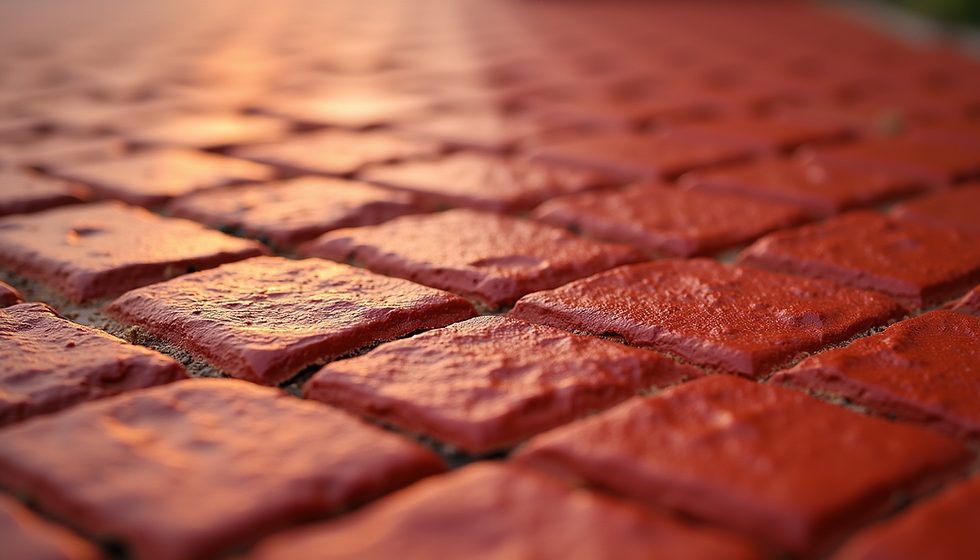
Tile profile sheets are made to resemble classic roofing tiles while keeping the lighter weight and practical benefits of metal. They are especially popular for residential homes where curb appeal matters. From a distance, they can give a house a more polished and premium look than standard industrial-style sheets.
The main consideration with tile profile roofing is precision. Because the visual finish is part of its value, measuring, alignment, and installation quality matter even more. A good-looking profile can lose its appeal quickly if it is poorly fixed or mismatched to the roof design.
Type | Appearance | Best suited for | Main consideration |
Corrugated | Traditional wavy pattern | Utility buildings, stores, workshops, simple homes | Practical rather than decorative |
Box profile | Clean, angular ribs | Homes, schools, shops, mixed-use buildings | Choose the right gauge and finish for durability |
Tile profile | Decorative, tile-like finish | Residential homes and premium-looking projects | Needs accurate installation for the best visual result |
What separates quality mabati products from ordinary sheets
Profile alone does not determine performance. Two sheets may look similar at first glance but behave very differently over time. The real difference often comes down to material quality, thickness, coating, and manufacturing consistency.
When comparing quality mabati products, pay attention to these essentials:
Gauge or thickness: Thicker sheets generally feel more solid and are less prone to denting or waviness during handling and installation.
Protective coating: Coatings help resist rust and weathering. This matters even more in areas with high humidity, frequent rain, or intense sun exposure.
Finish quality: A uniform finish is not only about appearance. It can also indicate better production standards and more reliable protection.
Sheet consistency: Reliable dimensions and even profiling make installation easier and help create a neater roof.
It is also wise to think beyond the purchase price. A cheaper sheet may appear to save money upfront, but if it fades quickly, corrodes early, or requires premature replacement, the long-term cost can be much higher.
How to choose the right mabati sheet for your project
The best roofing sheet is the one that fits the building, the budget, and the expected service life. A simple way to decide is to narrow your choice using function first, then appearance.
Define the building use. A family home, rental unit, workshop, and livestock structure do not need the same visual finish or sheet profile.
Consider the surrounding environment. Roofs exposed to harsh weather need dependable coating and proper installation details.
Match the profile to the design. Tile profile suits more decorative homes, while corrugated and box profile often serve practical designs very well.
Check installation compatibility. The roof frame, pitch, and accessories should work well with the sheet you choose.
Buy from a trusted source. Product guidance matters, especially if you are comparing gauge, finish, and profile options.
If you are comparing suppliers, it is worth looking for quality mabati products from established manufacturers such as Ruiru Mabati Factory, especially when you want clear guidance on profile, gauge, and finish before making a final decision.
Practical buying tips before you place an order
Before committing to any mabati purchase, confirm more than just the color and unit price. Ask what profile is being supplied, what thickness you are getting, what coating or finish is included, and whether the accessories match the sheet system. Ridge caps, valleys, fasteners, and flashing details all affect how well the roof performs once installed.
It is also smart to measure carefully and allow for the roof layout rather than buying by rough estimate alone. Well-planned ordering helps reduce waste, avoids unnecessary joins, and supports a cleaner finished appearance. Where possible, work with installers who understand the specific sheet profile you have selected, since poor workmanship can undermine even good materials.
Conclusion
Understanding the different types of mabati sheets helps you make a better roofing decision from the start. Corrugated sheets offer dependable simplicity, box profile sheets bring a clean and versatile finish, and tile profile sheets add stronger visual appeal for residential projects. But beyond the profile, real value comes from choosing quality materials, the right thickness, proper coating, and careful installation. When you focus on these fundamentals, quality mabati products deliver more than a roof overhead—they provide lasting protection, better appearance, and greater confidence in your investment.


Comments